Posted on 5/29/2026
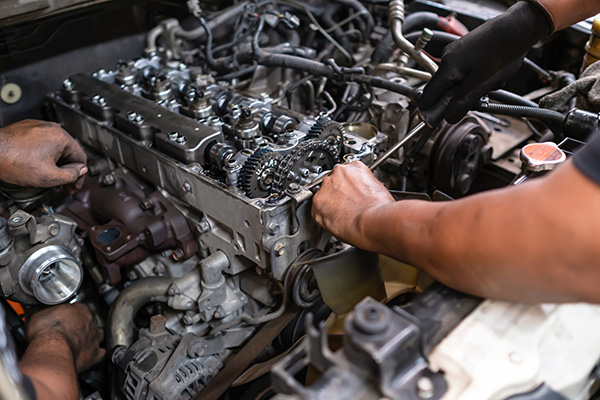
Hearing that your engine has a serious issue can feel overwhelming. In some cases, the car still runs, but not the way it used to. In others, it may not start at all. Once the problem is confirmed, the next question is what to do. Engine repair, replacement, and overhaul are three very different paths. Each option has its place depending on the engine's condition, the vehicle's value, and how long you plan to keep it. Engine Repair Focuses on the Specific Problem Engine repair is usually the first step when the issue is isolated. This might include fixing a leaking gasket, replacing a timing component, or addressing a misfire caused by ignition or fuel system parts. When the rest of the engine is in good condition, targeted repairs make the most sense. They are typically less expensive and allow you to address the issue without going deeper than necessary. The key is c ... read more
Posted on 5/22/2026
Toyota vehicles are world famous for their quality and reliability, but that presupposes regular maintenance – and we don’t mean just oil change. At South Denver Automotive we provide comprehensive Toyota care, including spark plugs replacement. Spark plugs are vital to your vehicle. If they malfunction, at best it will not perform well. Spark plugs generate the sparks that ignite the fuel-air mixture that powers your automobile. Over time, spark plugs wear out, and will need to be replaced. It’s a regular maintenance task – the frequency will depend on the material used to manufacture the spark plugs – copper spark plugs typically last 30,000 – 40,000 miles. Iridium spark plugs can last about 90,000 miles, but they are more expensive. Platinum spark plugs are in the middle. Signs of spark plugs needing replacement can vary, and are similar to other engine maintenance needs, so if you see following symptoms, call our Denver auto repair shop to have ... read more
Posted on 5/6/2026
Your Toyota is manufactured by factories that are part of the world-famous Toyota Production System. As such, you can expect quality and reliability from your vehicle. But even a Toyota will sometimes call for help. That’s what a check engine light means – your vehicle has experienced an issue that the onboard computers cannot correct, and it’s important enough to alert the owner. At our Denver auto repair shop we offer comprehensive check engine light diagnostics and repairs. Our nationally ASE-certified technicians will read the codes stored in the onboard computer, and based on the codes and their extensive experience, will perform diagnosis to find out the root cause of the problem. Why do they need to look further than the codes? Because the codes stored in the computer are like road signs – they point us in the direction of the subsystems we need to inspect and diagnose, in order to narrow down the issue to one or more of the thousands of conditions (yes ... read more
Posted on 4/30/2026
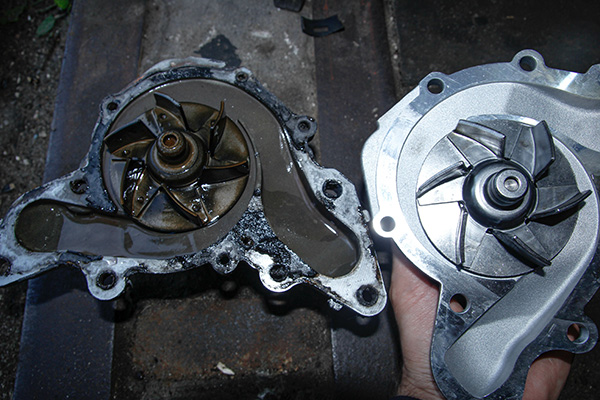
A bad water pump rarely introduces itself with one big, unmistakable problem. More often than not, the cooling system starts acting a little off. The temperature creeps higher in traffic, the coolant drops without a clear explanation, or a strange noise starts coming from the front of the engine. Since the car can still seem drivable for a while, many people keep putting it off. That delay is where a cooling system problem can turn into engine trouble. 1. Coolant Keeps Dropping One of the first clues is a coolant level that will not stay where it should. You top it off, check it again later, and find the reservoir low again. A leaking water pump can let coolant escape through the seal or weep hole, sometimes slowly enough that it does not leave a huge puddle right away. A small coolant loss is easy to shrug off at first. It still points to a problem somewhere in the system, and the water pump belongs high on that list when the level keeps falling. 2. The E ... read more
Posted on 4/2/2026
Brake fluid is a vital component of automotive brake systems – it uses hydraulic pressure to transfer pressure (amplified) from the brake pedal to the calipers that press the brake pads against the rotors to slow down your vehicle. Brake fluid requires regular replacement – typically every 2 years or 20,000 miles. Working under high temperatures, over time the fluid loses its chemical and mechanical properties. Increased water content further accelerates this deterioration. Water content?! Yes, brake fluid is highly hygroscopic – it absorbs moisture from the environment. Over time it can absorb so much water as to become less effective, and in severe cases (because water boils off at a lower temperature than the working temperature of the fluid) the water may boil off causing braking problems. At South Denver Automotive we offer comprehensive brake system maintenance, including brake fluid testing and exchange. We can inspect your vehicle’s brake fluid ... read more
Posted on 3/27/2026
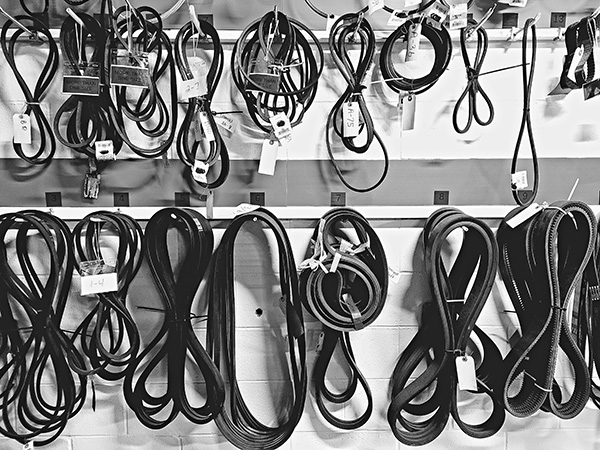
Timing belt replacement is one of those things that feels easy to postpone because the car can run great right up until it doesn’t. There’s usually no gradual buildup of the check engine light that nudges you into action. If you’re trying to figure out whether you can wait or whether it’s time, you’re already thinking the right way. The smartest move is understanding what decides the schedule before you roll the dice on it. Timing Belt Vs Timing Chain A timing belt is a reinforced rubber belt that keeps the crankshaft and camshaft(s) synchronized, so valves open and close at the right moment. It’s hidden behind covers, so you can’t truly judge its condition from a quick glance under the hood. That’s why replacement is usually based on interval, not appearance. Some engines use a timing chain instead, and chains are built differently and usually last longer. Still, chains can stretch and tensioners can wear, so they ar ... read more
Posted on 2/27/2026
%20copy.jpg)
Coolant and engine oil are supposed to live in separate worlds. One handles temperature control, the other handles lubrication. When they mix, the engine loses protection in the places that matter most. Sometimes the first clue is subtle, like the coolant level dropping with no obvious puddle. Other times, you notice the oil level rising, the engine running hotter, or the heater acting a little strange. This is one of those problems where waiting usually makes the outcome worse. Coolant In Engine Oil Symptoms Coolant in oil can show up in a few different ways, and not every car gives you the same obvious warning. You might see changes on the dipstick, but you might also notice the behavior of the cooling system first. Common signs people notice include: Coolant level is dropping repeatedly with no clear leak on the ground Oil that looks milky, foamy, or unusually creamy on the dipstick or cap ... read more
Posted on 2/5/2026
Brake pad replacement is one of the services your vehicle will undergo repeatedly throughout its lifetime. Even if you drive an electric vehicle, while the brake pad replacement intervals are much longer, your vehicle will undergo this repair repeatedly (yes, you can bring your Tesla, Rivian or F-150 Lightning to South Denver Automotive for brake pad replacement – we will take good care of your vehicle.) Brake pads wear out over time. They are designed to do so. It is actually quite remarkable how long they last, considering the pressure, heat, and friction generated every time you press the brake pedal. Most manufacturers recommend brake pad replacement when the thickness of the pads goes down to between 1 mm and 4 mm (0.04 in to 0.16 in). At South Denver Automotive we recommend once-a-year brake inspection to ensure that the entire braking system functions correctly. In between the inspections, we ask that you let us know, any time you visit our shop, if anyt ... read more
Posted on 1/30/2026
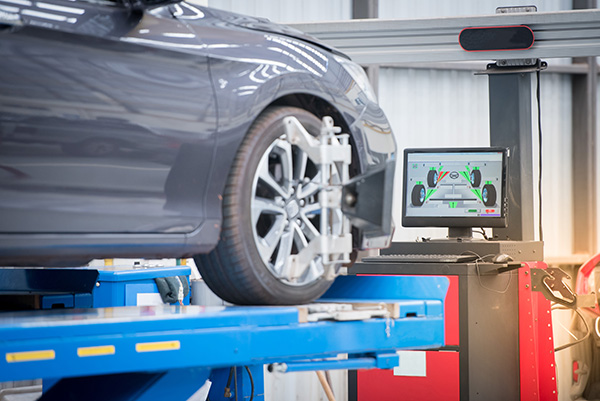
Most alignment problems don’t announce themselves with a big warning light. They show up as small annoyances you can easily blame on the road, the wind, or your tires. Then, a few months later, you’re looking at a tire that’s worn down on one edge and wondering how it happened so fast. A wheel alignment is one of those services that feels optional until it suddenly isn’t. What A Wheel Alignment Really Changes An alignment is about setting the angles of your wheels so the tires roll straight and meet the road evenly. The main angles are toe, camber, and caster. The toe is the big tire-wear one; even a small amount can scrub tread off every mile. Camber affects inside or outside edge wear, and caster influences straight-line stability and steering feel. When the angles are right, the car tracks straight, the steering wheel sits centered, and the tires wear evenly. When they’re off, you may not notice it right away, but the tires do. That ... read more
Posted on 12/23/2025
At South Denver Automotive we offer comprehensive Chevrolet Colorado maintenance and repair services. From engine problems, transmission failure, suspension repair, brake system problems, or drivetrain faults, to spark plugs replacement, brake fluid change, new brake pads, or a/c repair – if your Chevy needs support, we can help. Our nationally ASE-certified technicians will provide your Chevy Colorado with everything it needs to serve you reliably – we offer OEM quality parts, and back our work with industry-leading 4 year / 40,000 mile warranty – because your peace of mind matters. Keeping your Chevrolet Colorado in top shape requires expertise in both mechanical and electrical systems, as well as diagnostic skills to ensure the problem is fixed right the first time. At South Denver Automotive we perform digital vehicle inspections, and provide you with a copy of the results, so you can prioritize the repairs to fit the budget and your transportation needs ... read more